Breastfeeding Macros: How to Lose Fat Without Dropping Your Milk Supply
By Mofilo Team
Published 12 min read
Key Takeaways
- Milk production requires substantial energy to maintain daily volume. Eating too little too soon often signals the body to scale back supply rather than simply burning stored fat.
- Breastfeeding macros require adequate protein for tissue repair and a higher carbohydrate floor than standard diets. Setting carbohydrates too low can reduce milk output and leave mothers exhausted.
- Fat loss during lactation relies on a smaller deficit than normal weight reduction phases. A moderate drop of a few hundred calories generally protects milk volume better than aggressive dieting.
- Hunger signals change drastically when nursing due to hormonal shifts. Tracking food intake allows mothers to eat enough to support milk production without unintentionally overeating.
You look in the mirror and want your body back, but you look at your baby and worry about failing them. This is the exact tension most postpartum mothers face when they think about nutrition. The desire to lose the pregnancy weight is strong, but the fear of seeing your milk supply drop stops you from making a change.
Trying to guess the right balance usually ends in one of two ways. You either restrict calories too aggressively and watch your pumping output plummet, or you eat constantly to protect your supply and feel frustrated when the scale does not move. Neither outcome feels like a win.
The truth is that you do not have to choose between feeding your baby and changing your body. The process just requires a different set of rules than a standard fat-loss phase.
Breastfeeding creates a unique metabolic environment that demands specific fuel. When you understand how to structure breastfeeding macros, you can create a safe calorie deficit that supports fat loss while keeping your milk supply steady. The math is different now, and the hormonal signals are louder. Navigating this phase requires stepping away from extreme diets and focusing on the exact numbers that keep production high while allowing body fat to slowly decrease.
Why You Should Wait Six Weeks Before Cutting Calories
The first few weeks postpartum are about recovery and establishing a baseline. Your body is navigating massive hormonal shifts, healing from childbirth, and learning to produce a consistent fluid volume every day.
This is not the time to force a calorie deficit. Milk supply operates on a fragile supply-and-demand loop that takes weeks to stabilize. The body is highly sensitive to energy availability during this initial window. If you restrict food before this system is fully established, the physical stress often interrupts the hormonal signals required for steady production.
Most medical and nutritional guidelines recommend waiting six to eight weeks postpartum before intentionally attempting weight loss (Adegboye and Linné, Cochrane Database of Systematic Reviews 2013).
This waiting period serves a specific biological purpose.
It gives your prolactin levels time to regulate and your milk volume time to adapt to your baby's unique feeding schedule. Rushing this process usually backfires. You end up exhausted, your milk supply wavers, and the stress of the process makes physical recovery much harder.
Many women experience a natural, gradual weight reduction during these first six weeks just from the energy demands of healing and nursing. The fluids gained during pregnancy begin to flush out. The uterus shrinks back to its normal size.
Trying to accelerate this early phase with a restrictive diet ignores the reality of what your body just went through. The tissue damage from delivery requires building blocks to repair. Your metabolism is prioritizing healing over aesthetics.
Patience in the first month and a half builds the foundation that allows you to safely adjust your diet later. Once the milk supply is robust and predictable, the body becomes more resilient to slight changes in caloric intake. You earn the right to diet by first proving to your body that it is not starving.
The Calorie Math of Making Milk
Producing milk is an energy-intensive process. You are literally creating a nutrient-dense fluid from your own biological resources. This requires calories above and beyond what you need to sustain your own body weight.
Exclusive breastfeeding burns a significant amount of additional energy every day, often requiring an extra 500 calories to support full production without dipping into vital reserves (Marangoni et al., Nutrients 2016). This is where the math of a safe deficit changes entirely.
If your normal maintenance intake before pregnancy was 2,000 calories, exclusive breastfeeding pushes your total daily energy expenditure closer to 2,500. A standard diet approach might tell you to eat 1,500 calories to lose fat.
If you apply that standard number while nursing, you are suddenly in a massive 1,000-calorie deficit.
That gap is too large. The body perceives a deficit of that size as an emergency, and milk production is often the first non-essential system to be down-regulated.
A safe deficit for a nursing mother is usually around 300 to 500 calories below her new, higher maintenance level. If your breastfeeding maintenance is 2,500 calories, eating 2,000 to 2,200 calories will typically result in fat loss while protecting your output.
This moderate approach allows for steady changes in body composition while ensuring the body still has the raw energy required to manufacture milk. It feels slower than traditional dieting, but the slower pace is exactly what keeps the biological alarms from sounding.
As your baby grows and begins eating solid foods, the energy demand of breastfeeding slowly decreases. The 500-calorie buffer shrinks as nursing sessions drop. This means your macro targets will need to adjust downward slightly over the course of the first year to keep you in a deficit.
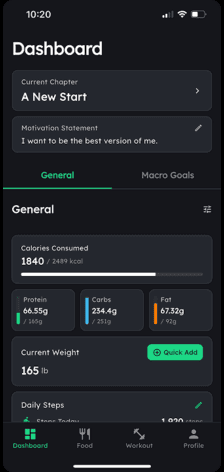
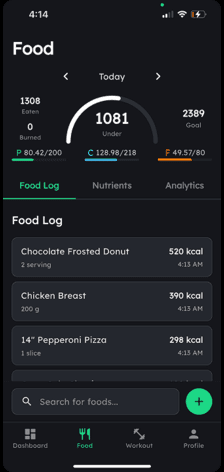
Tracking your intake during this phase removes the guesswork. When you know exactly what you are consuming, you can make tiny, 100-calorie adjustments based on how your supply responds, rather than making drastic cuts that risk drying you up.

Replace the anxiety with exact numbers.
Your hormones say you are starving. Mofilo shows the math, proving you have eaten enough to safely produce milk today.
No commitment · Cancel anytime
Why Your Hunger Spikes While Nursing
You finish a full meal and are starving an hour later. This intense hunger is one of the most common surprises of the postpartum period. It feels like a lack of discipline, but it is actually a biological mechanism doing exactly what it was designed to do.
The hormone responsible for milk production, prolactin, also directly stimulates appetite to ensure the mother consumes enough energy to sustain the infant (Grattan, Journal of Endocrinology 2015). Your brain is actively pushing you to seek out food.
This hormonal drive makes intuitive eating very difficult while breastfeeding. If you just eat when you feel hungry, you will likely eat at a caloric surplus. The internal signals are turned up too high for you to rely on physical cues alone.
Sleep deprivation amplifies this problem. When you are waking up multiple times a night, your body produces more ghrelin, another hormone that signals hunger. The combination of prolactin and poor sleep creates an environment where you constantly crave quick energy, usually in the form of sugar and simple carbohydrates.
This is why setting and tracking specific breastfeeding macros is so useful. It provides an objective target when your subjective feelings are unreliable. When you hit your numbers for the day, you know you have eaten enough to support your supply, even if the prolactin is still telling your brain to find a snack.
Managing this hunger requires structural changes to your meals. Eating a high volume of low-calorie foods, like vegetables and lean proteins, physically stretches the stomach and helps blunt the appetite signals.
Spacing your meals evenly throughout the day also prevents the sharp drops in blood sugar that trigger binge eating. You cannot turn off the prolactin-driven hunger completely, but you can manage it by giving your body dense, satisfying food rather than constantly grazing on empty calories.
How Extreme Deficits Affect Milk Volume vs. Quality
A common fear among nursing mothers is that dieting will result in nutrient-poor milk. They worry their baby will miss out on essential vitamins because the mother's diet is restricted. The body actually handles maternal under-eating in a very specific way.
When food intake drops too low, the body prioritizes the nutritional density of the milk over the total amount produced, causing a decrease in milk volume rather than a drop in milk quality (Cryan et al., Physiological Reviews 2019). The baby still gets excellent nutrition; they just get less total fluid.
This protective mechanism is why you notice a sudden drop in pumping output when you undereat. The body recognizes that it lacks the raw materials to produce forty ounces a day. It scales production down to thirty ounces to ensure those thirty ounces remain rich in fat, protein, and antibodies.
You cannot trick this system.
If you try to aggressively cut calories to speed up fat loss, your output will simply downshift to match the available energy. Many women panic when they see this drop and immediately binge eat to bring their supply back up.
This creates a frustrating cycle of extreme restriction followed by overeating, which leads to zero progress on the scale and constant anxiety over the pump bottles.
A moderate deficit preserves the volume because it does not trigger this starvation response. When you only pull a few hundred calories from your daily intake, the body can easily bridge the gap using stored body fat without feeling the need to scale back milk production.
The goal is to coax the fat off, not starve it off. Consistently eating just below your nursing maintenance level keeps the volume high and the quality intact.
How to Set Breastfeeding Macros
Structurally, your daily intake requires more than just hitting a calorie goal. The balance of macronutrients determines your energy levels and recovery while influencing the composition of your milk.
Protein is the foundation.
Aim for roughly 0.8 to 1 gram of protein per pound of your target body weight. This repairs tissue after childbirth and preserves your lean muscle mass while you are in a calorie deficit.
Carbohydrates are the most misunderstood macro for nursing mothers. Adequate intake helps sustain the energy necessary to maintain consistent milk volume day after day (Singh et al., Journal of Translational Medicine 2017). The body needs glucose to synthesize lactose, the primary sugar in breast milk.
Extreme low-carb or ketogenic diets can negatively impact supply and even increase the risk of dangerous conditions like lactation ketoacidosis (Neville et al., American Journal of Clinical Nutrition 2023). When carbohydrates drop too low, the metabolic stress often causes a rapid decline in output.
Most nursing mothers need a minimum of 150 to 200 grams of carbohydrates daily just to feel normal and keep production high. This carbohydrate floor ensures that the brain and the mammary glands have the immediate energy they require to function without pulling from emergency reserves.
Dietary fats round out the remaining calories. The types of fat you consume directly influence the fatty acid profile of the milk you produce (Lauritzen et al., Nutrients 2016). While the total fat content of the milk stays relatively stable, the specific composition shifts based on what you eat.
Including sources like avocados, nuts, and olive oil benefits both your hormonal health and your baby's development. Fats are also incredibly dense in calories, making them easy to overconsume if you are not tracking closely.
To set your macros, start by establishing your new nursing maintenance calories. Subtract 300 to 500 calories to create your deficit target. Allocate your protein first based on your target weight.
Set your carbohydrates safely above the 150-gram floor. Fill the rest of the remaining calories with healthy fats.
This framework provides a structured, predictable way to eat. It removes the emotion from mealtime and replaces it with data. When you hit these numbers consistently, you give your body exactly what it needs to support your baby while slowly revealing the physical changes you want to see.
Targets that adapt as your baby grows.
Nursing demands drop over time. Your weekly check-in updates your macro targets so the deficit stays safe and effective.
No commitment · Cancel anytime
Frequently Asked Questions
How can I tell if my milk supply is decreasing?
The most reliable signs are a drop in your daily pumping output or a baby who seems consistently unsatisfied after full feeds. Normal daily fluctuations happen, but a steady decline over several days usually indicates a need to increase your calorie or fluid intake.
Is it safe to lose weight while still breastfeeding?
Yes, it is generally safe once you are past the initial six-to-eight-week postpartum recovery window. The key is to keep the rate of loss moderate so your body does not perceive the calorie deficit as a threat to milk production.
What if I am still hungry after hitting my macros?
Postpartum hunger is driven heavily by hormones, which can make you feel hungry even when your body has enough energy. If you are consistently starving, try increasing your protein and fiber intake to improve satiety, or slightly bump up your daily calories if your supply is also dipping.
Do I need to drink more water while nursing in a deficit?
Hydration is critical because breast milk is primarily water. Most nursing mothers need significantly more fluids than normal to maintain volume. If your calories are dialed in but your supply is dropping, inadequate water intake is often the culprit.
Can I do intermittent fasting while breastfeeding?
Fasting for long windows can make it difficult to consume enough calories and nutrients to support milk production. Most women find that spreading their meals throughout the day helps maintain steady energy levels and a more consistent supply.
Conclusion
Navigating fat loss postpartum requires a different perspective than standard dieting. The goal is not to force your body to drop weight as quickly as possible. The goal is to provide enough fuel to support your baby while creating a small enough deficit to slowly change your body composition over time.
Waiting through the initial recovery window, eating enough carbohydrates to support energy demands, and managing the hormonal spikes in hunger are the practical steps to getting there. It takes patience to accept a slower rate of fat loss, but that patience protects the milk supply you worked so hard to establish.
Your body is performing two demanding tasks at once. Give it the raw materials it needs to do both. A moderate approach to your daily macros eventually gets you to your physical goals without the stress of losing your output.
All content and media on Mofilo is created and published for informational purposes only. It is not intended to be a substitute for professional medical advice, diagnosis, or treatment. Always seek the advice of your physician or other qualified health provider with any questions you may have regarding a medical condition, including but not limited to eating disorders, nutritional deficiencies, injuries, or any other health concerns. If you think you may have a medical emergency or are experiencing symptoms of any health condition, call your doctor or emergency services immediately.
Read more blogs
Why Your Calorie Deficit Stopped Working in Perimenopause
What You'll Learn in 10 Min
- •Why dropping estrogen moves fat storage to your belly
- •How a massive deficit accelerates midlife muscle loss
- •Which 2 daily changes overcome anabolic resistance
How to Keep Your Cut on a 10-Day Vacation Without Tracking
What You'll Learn in 8 Min
- •Why eating at maintenance primes future fat loss
- •What really causes that post-trip scale weight jump
- •How protein and walking replace calorie logging
24-Hour Shift Fueling: What to Eat When You Cannot Plan Your Day
What You'll Learn in 11 Min
- •How pre-shift carbs dictate your early morning energy
- •Why heavy 2 AM meals spike your blood sugar so fast
- •When small caffeine doses beat massive energy drinks