Why You Are Not Losing Weight on 1500 Calories a Day
By Mofilo Team
Published 14 min read
Key Takeaways
- Eating 1500 calories often leads to a stalled scale because the body subconsciously reduces daily movement to conserve energy. This invisible drop in activity can erase a standard deficit.
- Medical conditions like thyroid dysfunction or hormonal imbalances can lower resting energy expenditure. Getting bloodwork helps identify if your baseline calorie needs are lower than standard calculators predict.
- Most tracking methods miss hidden calories in oils, sauces, and portion sizes. Precision matters more than consistency when you are operating on a tight margin for weight loss.
- Taking planned breaks from a calorie deficit helps mitigate metabolic slowdown over time. Returning to maintenance calories for a few weeks often makes the next fat loss phase more effective.
You log every meal. You scan the barcodes. You hit exactly 1500 calories day after day. The scale does not move.
Week three turns into week four, and the initial water weight drop is replaced by a flat, unyielding line. This is the point where most people start wondering if their metabolism is fundamentally broken.
A 1500-calorie target sounds universally low. It feels like a restriction that should guarantee results. When it fails, the immediate instinct is to cut another 300 calories or add an hour of cardio.
Do not do either of those things yet.
A stalled scale on a perceived low-calorie diet is a diagnostic problem, not a sign that you need to suffer more. The gap between what you think you are burning and what you are actually eating is where the answer lives.
We need to look at tracking errors, subconscious movement drops, and actual physiological adaptations. The math is not broken. Your variables are just misaligned.
A careful audit of your daily habits will reveal the leak. We are going to isolate the most common reasons a standard deficit stops working.
How Calorie Tracking Actually Fails
Human beings are remarkably bad at estimating food intake. This is not a lack of discipline. It is a well-documented flaw in self-reported data.
You might weigh your chicken breast but eyeball the olive oil in the pan. A single tablespoon of oil holds 120 calories. A heavy pour turns a 400-calorie meal into a 650-calorie meal instantly.
Over a full day, these small untracked additions easily bridge the gap between a deficit and maintenance. Research shows that self-assessed dietary tracking consistently underreports actual caloric intake across most populations (Burrows et al., Frontiers in Endocrinology 2019).
The margin for error at 1500 calories is incredibly small.
If your total daily energy expenditure is 1900 calories, a 400-calorie deficit requires strict precision. Miss two tablespoons of peanut butter and a splash of creamer, and your deficit vanishes. You are still eating 1500 tracked calories. You are just digesting 1900 actual calories.
Before adjusting your target, spend three days weighing every single ingredient on a digital food scale. Most lifters are surprised by what a true serving of peanut butter looks like on a scale. Eyeballing volume measurements like cups and tablespoons introduces massive variance.
A packed cup of oats holds significantly more energy than a loosely scooped cup. Grams are the only metric that removes the guesswork from your kitchen.
Liquid calories are another common blind spot. A protein shake might be logged correctly, but the milk or juice used as the base often gets ignored. Cooking sprays are marketed as zero calories, but a three-second spray adds noticeable fat to the pan.
Weekend eating habits frequently destroy a perfectly executed weekday deficit. You might hit 1500 calories Monday through Friday. If you stop tracking on Saturday and Sunday, eating 2800 calories each day is remarkably easy.
A few drinks, a restaurant meal, and some extra snacks will erase the net deficit for the entire week. Your body averages the intake over time. It does not operate on a strict 24-hour clock.
The NEAT Collapse
Non-exercise activity thermogenesis accounts for all the calories you burn outside of formal workouts. It includes walking to your car, pacing while on the phone, and even fidgeting at your desk.
When you restrict food, your brain senses the energy shortage. It quietly turns down the dial on these background movements. You sit a little deeper into the couch. You take the elevator instead of the stairs.
You stop tapping your foot. Caloric restriction triggers a subconscious decrease in spontaneous physical activity that can offset the diet itself (Müller et al., Current Obesity Reports 2016).
You do not notice it happening. You still feel tired.
The fatigue is real, but the calorie burn drops significantly. A person can lose hundreds of calories of daily expenditure simply by becoming more sedentary between workouts.
This is why hitting the gym for an hour does not guarantee a deficit if you spend the other 23 hours completely motionless. Tracking your daily steps is the easiest way to catch a NEAT collapse before it stalls your progress.
A step goal acts as a hard boundary against this subconscious adaptation. Setting a minimum target of eight thousand steps daily forces your body to maintain its baseline movement.
Formal exercise activity thermogenesis makes up a surprisingly small percentage of your daily burn. A hard hour of lifting weights might only expend 250 calories.
If your baseline movement drops by 400 calories because you spent the rest of the day lying down, you are in a net negative position for energy expenditure. Your training cannot outwork a sedentary lifestyle.
If your weight loss stalls, look at your step average over the last two weeks before you touch your food intake. Most smartphones track this data automatically in the background. A sharp decline in daily steps usually correlates perfectly with the moment the scale stopped moving.
Why Your Metabolism Slows Down on a Diet
A smaller body requires less energy to exist. As you lose weight, your calorie needs naturally decrease simply because there is less tissue to maintain.
A person weighing 200 pounds burns more energy walking up a flight of stairs than a person weighing 170 pounds. But the math goes beyond just physical mass. Prolonged dieting triggers an active defense mechanism.
Your body becomes more efficient with the calories it has. Resting metabolic rate can downregulate during weight loss to an extent greater than what changes in body composition alone would predict (Al‐Najim et al., Physiological Reviews 2018).
This adaptation is normal.
It is not a permanently altered metabolism. It is a highly functioning survival trait. Your system is trying to prevent starvation by running the same physiological processes on less fuel.
The 1500 calories that created a deficit on day one might slowly become your new maintenance level by day sixty. You have to account for this moving target as the weeks pass.
You cannot outsmart this adaptation by simply starving yourself further. A drastic drop in calories only accelerates the downregulation process.
Losing muscle mass during a cut exacerbates this problem. Muscle is highly metabolically active tissue. If you lose weight without resistance training, a significant portion of that weight will be muscle.
This drops your basal metabolic rate even further. Lifting weights sends a clear signal to preserve that expensive tissue. It forces the body to rely on fat stores for the missing energy.
The timeline for this metabolic adaptation varies from person to person. Recognizing the signs of severe adaptation is crucial. Constant lethargy, poor sleep, and plummeting gym performance mean the body is aggressively defending its energy stores.

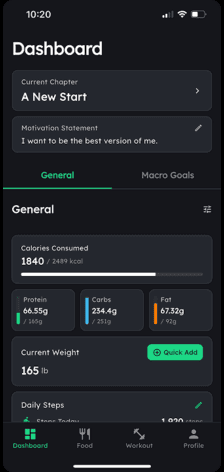
A number that moves when you do.
The target you set on day one doesn't fit day sixty. Your weekly check-in updates the math as your body changes.
No commitment · Cancel anytime
When Medical Conditions Mask a Deficit
Sometimes the calculator is just wrong about your baseline. Standard formulas estimate your daily burn based on age, height, weight, and gender.
They assume an average hormonal profile. If you have an underlying medical condition, your actual resting energy expenditure might be significantly lower than the estimate. Polycystic ovary syndrome is a common variable that directly impacts basal metabolic rate and lowers total energy expenditure compared to healthy controls (Shang et al., The Journal of Clinical Endocrinology & Metabolism 2020).
Thyroid function plays a similar role.
The thyroid gland regulates how fast your cells use energy. Even mild, undiagnosed thyroid issues can shift the math. Subclinical hypothyroidism has a high prevalence and a direct metabolic impact that reduces resting energy expenditure (Biondi et al., Endocrine Reviews 2019).
If your tracking is flawless and your movement is high, a stubborn scale warrants a blood test. A doctor can tell you if a physiological roadblock is present.
Treating the underlying condition often restores a normal metabolic rate. This allows standard calorie targets to work again. Do not assume your body is broken if a basic formula fails you.
Get the actual data from a medical professional. Self-diagnosing a hormonal issue based on a stalled diet is a mistake. Many people blame their thyroid when the real culprit is weekend overeating.
Symptoms that warrant a medical conversation include unexplainable weight gain, extreme cold sensitivity, persistent joint pain, and chronic fatigue that does not resolve with adequate sleep. A simple metabolic panel provides clarity.
How Food Quality Changes Your Calorie Burn
Digestion requires energy. Every time you eat, your body burns a fraction of the meal's calories simply breaking the food down and absorbing the nutrients.
This is known as the thermic effect of food. Not all macronutrients require the same effort to process. The thermic effect varies significantly by macronutrient composition, with high-protein diets burning far more energy during digestion than high-carbohydrate or high-fat meals (Calcagno et al., Journal of the American College of Nutrition 2019).
1500 calories of protein and fiber acts differently than 1500 calories of processed snacks.
If your diet is low in protein, you are leaving an easy metabolic advantage on the table. A high-protein intake can effectively increase your daily expenditure by up to a hundred calories just through digestion. It also preserves muscle mass during a cut.
Keeping your protein high ensures that the weight you do lose comes from fat. Whole foods also take more effort to break down than heavily processed options.
A steak and a baked potato require mechanical chewing and prolonged gastric processing. A protein shake and a pastry digest rapidly. Prioritizing whole, minimally processed foods maximizes this natural calorie burn.
Satiety is another critical factor. Ultra-processed foods are engineered to bypass your natural fullness cues. Eating 1500 calories of donuts leaves you starving by mid-afternoon.
Eating 1500 calories of lean meat, vegetables, and complex carbohydrates keeps you comfortably full. Hunger management is the actual secret to long-term fat loss.
If you are constantly fighting extreme hunger, you will eventually overeat. Protein and fiber slow down digestion and stabilize blood sugar levels. By shifting the composition of your 1500 calories toward high-satiety foods, you make the diet physically easier to sustain.
The Diet Break Protocol
Staying in a deficit indefinitely is a recipe for stagnation. If you have been eating 1500 calories for months, your body is fully adapted to the restriction.
Pushing calories even lower often results in extreme fatigue and muscle loss. The better strategy is to pause the diet. Returning to maintenance calories for a defined period signals to your system that food is no longer scarce.
This is not a cheat week. It is a calculated reset.
Bringing your intake up to 2000 or 2200 calories for two weeks allows your hormones to stabilize. Training performance improves. NEAT naturally increases because you have more energy.
Evidence indicates that intermittent energy restriction using structured diet breaks is highly effective at mitigating adaptive thermogenesis over the long term (Dyson et al., Diabetic Medicine 2018). Once the break is over, returning to 1500 calories often restarts fat loss immediately.
A successful diet break requires the same tracking discipline as a cut. You are eating more, but you are still measuring your portions to ensure you hit maintenance targets. Gaining a small amount of water weight during this phase is normal.
It is just your glycogen stores refilling. Do not panic and immediately drop your calories back down. The goal is to spend at least ten to fourteen days at this higher intake level.
The psychological relief of a diet break is just as valuable as the physiological reset. Dieting is mentally exhausting. Constantly saying no to extra food drains your willpower reserves.
Taking a structured break allows you to enjoy slightly larger meals without guilt. You return to the deficit phase feeling refreshed and ready to execute the plan again.
Hit pause without starting over.
Create a maintenance chapter for your reset. Your targets adjust up, your history stays intact, and you return ready.
No commitment · Cancel anytime
How Water Retention Masks Fat Loss
Fat loss and weight loss are two different metrics. You can lose a pound of body fat while the scale stays exactly the same.
This happens because water retention easily hides subtle changes in tissue mass. A hard resistance training session creates micro-tears in your muscle fibers. Your body shuttles water to those areas to facilitate repair.
The scale responds to gravity, not just fat.
Eating a meal high in sodium or carbohydrates will cause a temporary spike in water weight. Stress and poor sleep elevate cortisol levels, which also triggers fluid retention.
You might be in a perfect calorie deficit all week, but a stressful Friday at the office leaves you holding three pounds of extra water by Saturday morning. The underlying fat loss is still happening.
Judging your progress by a single daily weigh-in leads to terrible decision making. For women, the menstrual cycle dictates massive shifts in fluid balance. It is common to hold anywhere from two to five extra pounds of water during the luteal phase.
Comparing a weigh-in from week one of your cycle to a weigh-in from week three is mathematically useless. You have to compare data from the same phase of consecutive months to see the actual trend.
You need to look at the weekly average over a full month. If your waist measurements are decreasing and your clothes fit better, the diet is working.
The scale will eventually catch up once the water flushes out. Taking progress photos every two weeks provides visual proof that the scale often misses. Trust the behavioral inputs.
Frequently Asked Questions
Does exercise impact my 1500 calorie goal?
Yes, but not in the way most people think. Heavy resistance training protects your muscle mass while you lose fat. However, adding hours of cardio to a 1500-calorie diet often spikes hunger and crashes your non-exercise activity.
You might burn 300 calories on the treadmill only to move 400 calories less throughout the rest of the day. Prioritize lifting over endless cardio.
Should I try eating even fewer calories?
Dropping below 1500 calories is rarely the best next step for most adults. Extreme restriction makes it incredibly difficult to get adequate protein and micronutrients. It also accelerates muscle loss and fatigue. Instead of cutting food further, look at increasing your daily step count or taking a structured diet break to reset your metabolism.
How long should I wait to see results on 1500 calories?
Water weight fluctuations mask fat loss constantly. A heavy dinner, a hard leg workout, or poor sleep can cause the scale to jump a few pounds overnight. You need at least three to four weeks of consistent tracking to see a reliable trend. If a full month passes with zero change in the scale or your physical measurements, an adjustment is needed.
Could my metabolism be damaged from previous diets?
The concept of permanent damage is largely a myth. Your metabolism adapts to restriction, but it does not break permanently. Chronic yo-yo dieting can result in less muscle mass and a lower baseline calorie burn. Building muscle and spending time eating at maintenance levels will restore a healthy metabolic rate.
What if I am completely exhausted on 1500 calories?
Severe exhaustion usually means the deficit is too aggressive or your protein intake is too low. If you are struggling to get through the day, 1500 calories might be an inappropriate target for your current body size and activity level. Raising your intake to 1800 calories while maintaining a high step count often improves energy without stopping fat loss.
Conclusion
A stalled scale at 1500 calories is a puzzle of variables. It usually comes down to hidden intake, reduced movement, or a temporary adaptation to the diet itself. Precision in your tracking and awareness of your daily steps solve most plateaus.
If you have been dieting for months without progress, a planned break to eat at maintenance is often the smartest move you can make. The goal is to find the highest number of calories that still allows you to lose fat, not the lowest number you can tolerate.
Start by auditing your food scale, step outside for a walk, and give the process time to work. Your body adapts to what you consistently give it. Better tracking, managed stress, and strategic diet breaks eventually change the outcome.
All content and media on Mofilo is created and published for informational purposes only. It is not intended to be a substitute for professional medical advice, diagnosis, or treatment. Always seek the advice of your physician or other qualified health provider with any questions you may have regarding a medical condition, including but not limited to eating disorders, nutritional deficiencies, injuries, or any other health concerns. If you think you may have a medical emergency or are experiencing symptoms of any health condition, call your doctor or emergency services immediately.
Read more blogs
How to Handle Social Pressure When You Start Eating Healthy
What You'll Learn in 10 Min
- •Why your new diet makes old friends act defensive
- •Which 2 simple responses stop direct food pushback
- •How occasional compromise beats rigid macro tracking
A Structured Ramp-Up Protocol When You Have No Motivation to Workout After Vacation
What You'll Learn in 9 Min
- •Why lost drive is a metabolic shift, not willpower
- •How to drop total sets to prevent crippling soreness
- •Which low-intensity moves restore your nervous system
How to Maintain Muscle During a Two-Week Vacation From the Gym
What You'll Learn in 12 Min
- •Why early vacation size loss is just water and carbs
- •How restricting calories on a break speeds muscle loss
- •Which protein timing mistake costs you lean mass daily