How to Keep Your Cut on a 10-Day Vacation Without Tracking
By Mofilo Team
Published 8 min read
Key Takeaways
- Taking a planned break from your calorie deficit helps stabilize your metabolism. Eating at maintenance for a week often makes it easier to resume fat loss when you get home.
- Most vacation weight gain comes from water and stored carbohydrates rather than new body fat. Knowing the difference between scale fluctuations and actual tissue changes keeps you from panic-dieting on the trip.
- Keeping your muscle tissue requires a fraction of the gym time it took to build it. A short workout or simple resistance routine holds your progress while you focus on resting.
- Daily walking and prioritizing protein naturally regulate your hunger when you stop logging meals. These two habits anchor your vacation maintenance protocol without forcing you to track every bite.
By week eight of a successful cut, a scheduled trip looks less like a reward and more like a threat. You picture the hotel breakfast buffet, the dinners out, and the days away from your normal gym setup. The anxiety of undoing two months of discipline starts to ruin the vacation before you even pack your bag.
You have two choices. You can spend ten days white-knuckling your diet, tracking every restaurant meal with wild guesses, and resenting your travel companions. Or you can intentionally shift into vacation maintenance.
A strategic pause is a documented tool for long-term fat loss, not a failure of discipline. Shifting your calories to maintenance gives your body a physiological break and your mind a psychological reset.
The goal of a vacation protocol is simple. You hold the line, protect the muscle, and enjoy your life so you can return to the deficit refreshed.
Why Pausing Your Cut Actually Protects Your Progress
Most dieters view taking a break as losing momentum. The reality of sustained body composition change requires periods of eating at maintenance. This offsets the metabolic adaptations of a prolonged deficit.
A planned diet break of one to two weeks can help mitigate metabolic slowdown and support continued fat loss over the long term (Escalante et al., Strength and conditioning journal 2020).
When you spend weeks eating less than you burn, your body gradually downregulates daily energy expenditure. Moving back to maintenance calories reverses some of that fatigue. You are not losing ground. You are actively repairing the metabolic foundation that allows you to lose fat again later.
Returning to maintenance gives your hormones a chance to normalize. It also restores your daily energy levels, making you feel less lethargic. By the time you return home, your body is primed to respond to a deficit again.

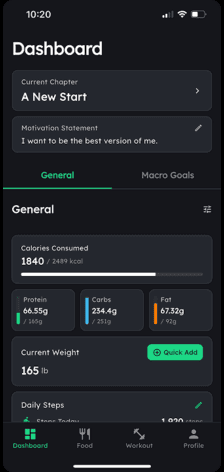
A planned pause instead of a panic.
The buffet feels like a threat to your hard work. Open a maintenance phase to hold the line until you fly home.
No commitment · Cancel anytime
Why the Scale Jumps During a Trip
The most common vacation panic happens on day three. You step on the hotel scale and see a four-pound increase. Your brain immediately assumes you gained four pounds of pure fat.
That rapid weight gain is primarily driven by the ratio of stored glycogen and water that floods into your muscles when you acutely increase carbohydrate and calorie intake (Escalante et al., BMC Sports Science Medicine and Rehabilitation 2021).
Every gram of carbohydrate you store in your muscles holds onto roughly three grams of water. Restaurant meals also contain more sodium than your home-cooked food. This pulls even more water into your tissues. The mirror might look softer, but it is just hydration.
Actual fat gain requires a massive surplus of calories sustained over consecutive days. A few heavy dinners will not rewrite your body composition. Once you return to your normal diet, that water weight flushes out within a week.
How to Manage Hunger Without Tracking
Leaving your food scale at home means relying on internal cues to regulate how much you eat. After weeks of strict tracking, those signals are often blunted. You need a structural approach to meals that prevents accidental overeating.
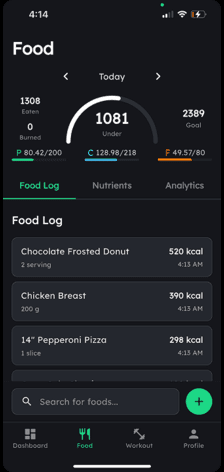
Prioritizing high-satiety foods like lean proteins and fibrous vegetables naturally regulates your ad-libitum energy intake during periods when you are not actively counting calories (Abdulan et al., Nutrients 2023).
Start your day with a protein-heavy breakfast. If you are eating at a buffet, fill half the plate with eggs and fruit before looking at the pastries. This anchors your hunger for the rest of the morning.
You can still have dessert at dinner. You just build the foundation of your day around foods that keep you full. Managing your appetite this way removes the anxiety of eating out.
The Minimum Gym Time to Keep Your Muscle
You do not need to spend two hours in a foreign gym to protect your physique. Building new tissue takes significant effort. Keeping what you already have is surprisingly cheap.
You can maintain your current muscle mass with a fraction of your normal resistance training volume, provided the intensity remains reasonably high (Stokes et al., International Journal of Sports Medicine 2020).
If your hotel has a basic fitness center, two quick full-body sessions a week are plenty. Focus on heavy compound movements like goblet squats and dumbbell presses. Push the sets close to failure and get out in thirty minutes.
If you have no equipment, bodyweight push-ups and lunges in your room will signal your body to retain the tissue. A vacation is a perfect time to drop the volume and let your joints recover.
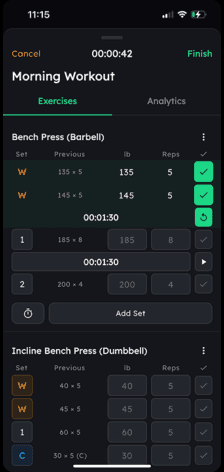
Pick up exactly where you left off.
Close the vacation chapter when you land. Your hard work stays safe, and the deficit is ready to run again.
No commitment · Cancel anytime
How Alcohol and Sleep Impact Recovery
Vacations often shift your daily schedule toward late nights and a few extra drinks. These choices are part of enjoying the trip, but they do alter how your body handles food and exercise.
Consuming alcohol after a workout significantly impairs the rates of myofibrillar protein synthesis, meaning your muscles have a harder time repairing themselves (Parr et al., PLoS ONE 2014).
You do not have to swear off the resort bar. Just separate your training from your drinking. If you lift in the morning, your body has hours to recover before evening cocktails.
Sleep is the other variable that often suffers on a trip. Restricting your sleep alters your body composition outcomes by changing how nutrients are partitioned between muscle and fat (Potter et al., British Journal Of Nutrition 2016). Prioritize getting enough rest when you can. A well-rested body processes food more efficiently than a sleep-deprived one.
Walk to Offset Extra Calories
The easiest way to offset a higher food intake is to move more throughout the day. You do not need structured cardio sessions. You just need steps.
Increasing your non-exercise activity thermogenesis through daily step counts is a primary mechanism for maintaining energy balance during periods of overfeeding (Müller et al., Current Obesity Reports 2016).
Sightseeing, walking on the beach, and navigating airports all add up. These low-intensity activities burn calories without driving up your appetite the way a high-intensity interval session would. Aim for a reasonable step goal and let your natural vacation exploration do the work.
Walking is the quiet engine of vacation maintenance. It keeps your energy expenditure high without feeling like a workout.
Frequently Asked Questions
How much weight can I expect to gain on vacation?
Most people will see the scale go up by two to five pounds. Almost all of this is water retention from sodium, carbohydrates, and travel inflammation. True fat gain takes a massive surplus over several days. If you stay active and eat mindfully, actual fat accumulation is usually minimal.
What if my hotel does not have a gym?
Bodyweight exercises work perfectly for a short trip. Push-ups, lunges, squats, and planks provide enough tension to maintain your current muscle. The goal is just to remind your body that the tissue is still needed.
Should I still try to hit my protein goals?
Hitting a baseline protein target is the best anchor for your nutrition while traveling. It keeps you full and protects your muscle. You do not need to be perfect, but aiming for a solid protein source at every main meal helps regulate the rest of your choices.
Can I drink alcohol and still maintain my weight?
Yes, but alcohol contains empty calories that add up quickly. Sweet mixers and resort cocktails often carry more sugar than the liquor itself. Choosing simpler drinks and drinking plenty of water in between helps you enjoy the trip without drastically exceeding your maintenance calories.
How do I get back on track after my trip?
Go back to your normal routine immediately. Do not try to aggressively cut calories to make up for the vacation. Resume your normal deficit, drink plenty of water, and wait five to seven days for the travel bloat to flush out before trusting the scale again.
Conclusion
Returning from a trip should feel like a reset. A ten-day pause is a normal part of a sustainable fitness plan, not an emergency you need to fix.
Your progress is built on months of consistency, not ruined by a week of relaxation. Protecting your hard work just requires a few basic anchors. You walk, you eat some protein, and you do a minimal amount of resistance training.
The rest of the time is for the vacation. You step back into the gym when you get home, drop your calories back to the deficit, and pick up right where you left off. The trip is not a detour. It is just a scheduled stop on the way to the goal.
All content and media on Mofilo is created and published for informational purposes only. It is not intended to be a substitute for professional medical advice, diagnosis, or treatment. Always seek the advice of your physician or other qualified health provider with any questions you may have regarding a medical condition, including but not limited to eating disorders, nutritional deficiencies, injuries, or any other health concerns. If you think you may have a medical emergency or are experiencing symptoms of any health condition, call your doctor or emergency services immediately.
Read more blogs
How to Handle Social Pressure When You Start Eating Healthy
What You'll Learn in 10 Min
- •Why your new diet makes old friends act defensive
- •Which 2 simple responses stop direct food pushback
- •How occasional compromise beats rigid macro tracking
A Structured Ramp-Up Protocol When You Have No Motivation to Workout After Vacation
What You'll Learn in 9 Min
- •Why lost drive is a metabolic shift, not willpower
- •How to drop total sets to prevent crippling soreness
- •Which low-intensity moves restore your nervous system
How to Maintain Muscle During a Two-Week Vacation From the Gym
What You'll Learn in 12 Min
- •Why early vacation size loss is just water and carbs
- •How restricting calories on a break speeds muscle loss
- •Which protein timing mistake costs you lean mass daily