24-Hour Shift Fueling: What to Eat When You Cannot Plan Your Day
By Mofilo Team
Published 11 min read
Key Takeaways
- Arriving at the station with full energy stores dictates how well you perform on early calls. Your muscles run on stored carbohydrates, meaning the meals you eat the day before matter just as much as your shift snacks.
- Hydration requires a split approach between baseline water intake and acute electrolyte replacement. Heavy gear and high heat strip minerals faster than plain water can replace them.
- Eating heavy meals in the middle of the night stalls digestion and spikes blood sugar compared to daytime eating. Lighter, protein-focused snacks work better when your body expects to be asleep.
- Strategic caffeine use keeps you alert without destroying your recovery sleep the next day. Small doses taken early in the shift beat massive energy drinks consumed right before dawn.
How do you plan your meals when you do not know if you will be sitting at the station or pulling ceiling at a three-alarm fire for the next six hours?
Standard nutrition advice assumes a predictable schedule. You wake up, you eat, you go to the gym, you work at a desk, and you sleep. That structure falls apart the moment the tones drop. 24-hour shift fueling requires a completely different approach.
A first responder's day goes from zero to a hundred in seconds. This forces the body to rely heavily on what it already has stored. You cannot pause an extrication to eat a banana.
The goal is no longer about perfect macronutrient timing. It is about maintaining a constant baseline of readiness.
Most shift workers default to convenience out of necessity. Gas station snacks, cold station dinners, and excessive energy drinks become the norm. The result is chronic fatigue, sluggish recovery, and long-term metabolic risks. A poor dietary routine catches up quickly when sleep is already compromised.
You need a system that works around the chaos. This guide breaks down exactly how to fuel for a 24-hour shift, manage hydration in heavy gear, and eat in a way that protects your metabolism when you are awake at three in the morning.
How to Eat Before You Clock In
Your shift actually starts the day before you walk into the station. What you eat on your off day determines your baseline physical readiness for the first twelve hours of your next shift.
Muscle glycogen is the primary fuel source for high-intensity, explosive work. Sprinting with gear, forcing a door, or dragging a hose line requires immediate energy. The body cannot convert dietary fat into usable fuel fast enough to sustain that level of effort.
It relies entirely on stored carbohydrates.
Loading those stores takes time. A high-carbohydrate meal eaten right before shift helps, but topping off your muscle glycogen requires consistent intake over the preceding 24 hours. Pre-shift nutritional status, specifically robust glycogen storage, directly dictates how well you handle the physical demands of occupational tasks (Murray and Rosenbloom, Nutrition Reviews 2018).
Many first responders make the mistake of eating very low-carbohydrate diets on their off days to manage their weight. They show up to the station with partially depleted energy reserves. If a major call drops at 8:00 AM, they hit a wall thirty minutes into the incident.
A better approach is to scale your carbohydrates based on your schedule. Eat a moderate amount of complex carbohydrates like oats, rice, and potatoes the evening before your shift. Follow that with a substantial, balanced breakfast before you clock in.
Your pre-shift breakfast should digest easily. Eggs, oatmeal, and fruit provide a steady release of energy without sitting heavy in your stomach. Avoid massive, grease-heavy breakfasts that divert blood flow strictly to digestion.
The PPE Hydration Deficit
Bunker gear creates a harsh microclimate that traps heat against the body. When you work in personal protective equipment, your normal hydration rules no longer apply.
The human body cools itself primarily through the evaporation of sweat. Turnout gear prevents that evaporation. The sweat sits on your skin, your core temperature rises, and your body responds by simply sweating more.
This accelerates fluid loss drastically.
Wearing heavy personal protective equipment during high-intensity exertion induces rapid heat stress and profound fluid depletion (Cheung et al., Applied Physiology Nutrition and Metabolism 2016). You are not just losing water. You are bleeding sodium, potassium, and magnesium at rates far beyond typical athletic environments.
Drinking plain water during and after a fire is often not enough. If you only replace the water, you dilute the remaining sodium in your bloodstream. This leads to cramping, headaches, and prolonged fatigue that lingers into your next day off.
Electrolyte replacement is mandatory, not optional.
During active heat stress, carbohydrate-electrolyte solutions rehydrate the body more effectively than plain water alone (Tabuchi et al., Journal of Occupational Health 2021). The addition of a small amount of sugar helps transport sodium across the intestinal wall, pulling water into your system faster.
Keep electrolyte packets in your station bag or on the apparatus. Mix one into your water bottle immediately after returning from a working incident. On quiet days at the station, plain water is perfectly fine. Save the heavy electrolyte and carbohydrate drinks for when you are actively sweating in gear.
What to Eat During Unpredictable Calls
The tones often drop right as you sit down for dinner. Your station meal is left on the table, and you might not return for several hours.
This is where portable, mid-shift fueling becomes critical. You cannot predict the call volume, but you can control what is available in the cab of the truck. Relying on whatever happens to be at the nearest convenience store usually results in poor choices driven by extreme hunger.
For intermittent tasks, acute carbohydrate ingestion helps maintain performance when glycogen stores start running low (Williams and Rollo, Sports Medicine 2015). You need foods that require almost zero digestion.
When you are deep into a call and feel your energy crashing, you need simple sugars. Complex meals containing heavy fats or massive amounts of protein will sit in your gut and cause cramping if you immediately return to intense work.
Keep a stash of fast-digesting snacks on the apparatus. Fruit snacks, pretzels, applesauce pouches, and sports gels are highly effective here. They provide immediate glucose to the bloodstream without demanding significant digestive effort.
Once the call is over and you are back at the station, you can eat a real meal. The immediate post-call window is about stabilizing your blood sugar and rehydrating. Prioritize protein and carbohydrates to kickstart the recovery process before the next call comes in.

Keep your baseline when the schedule breaks.
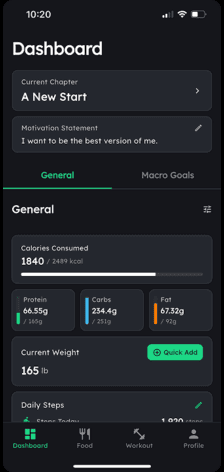
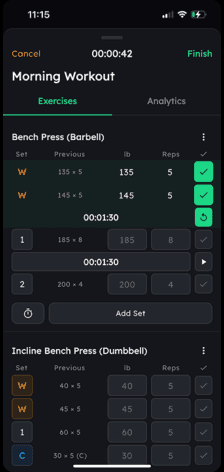
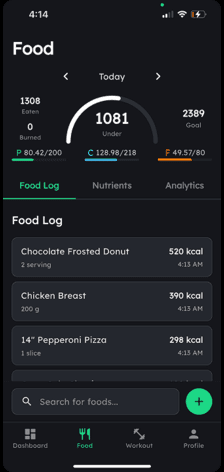
The tones drop and dinner stays on the table. Voice-log the snack you grabbed on the truck in seconds.
No commitment · Cancel anytime
Why Eating at 3 AM Ruins Your Gut
Your digestive system operates on a biological clock. It expects a steady supply of nutrients during the day and complete rest at night.
Shift work forces you to ignore this rhythm. When you run calls at 3:00 AM, you burn energy and naturally feel hungry. The instinct is to eat a heavy meal or raid the station pantry to stay awake.
Forcing food into your stomach during the resting phase causes gastrointestinal dysfunction and disrupts your metabolic rhythms (Salgado‐Delgado et al., Neurogastroenterology & Motility 2023). Your pancreas is not primed to release insulin efficiently in the middle of the night. Your stomach acid production is low. Your gut motility slows down.
This is why a midnight pizza leaves you bloated and lethargic by morning.
The metabolic consequences extend beyond temporary discomfort. The circadian misalignment inherent to shift work directly impairs baseline glucose metabolism and decreases insulin sensitivity over time (Briançon‐Marjollet et al., Diabetology & Metabolic Syndrome 2015). Your body simply cannot process carbohydrates at night the way it does at noon.
If you must eat during a night shift, change the composition of the meal. Avoid heavy carbohydrates and deep-fried foods between midnight and dawn. Stick to easily digestible proteins and small amounts of fat.
A protein shake, a handful of almonds, or some Greek yogurt will blunt your hunger without overwhelming your dormant digestive tract. Save the heavy, carbohydrate-dense meals for daylight hours when your metabolism is prepared to handle them.
Managing Caffeine and Fatigue Over 24 Hours
Caffeine is the default coping mechanism for sleep deprivation. When you have been awake for twenty hours and another call drops, reaching for an energy drink feels necessary.
The problem is the half-life. Caffeine remains in your system for roughly six to eight hours. If you consume 300 milligrams of caffeine at 4:00 AM to get through the end of your shift, you will not be able to sleep when you finally get home at 9:00 AM.
You end up sacrificing your recovery sleep to survive the final hours of work.
Proper dosing and timing of caffeine can maintain executive function during sleep deprivation without ruining your subsequent recovery sleep (Reardon et al., British Journal of Sports Medicine 2019). The key is using smaller doses strategically rather than massive doses reactively.
A standard cup of coffee contains roughly 100 milligrams of caffeine. This is often enough to restore alertness without lingering in your bloodstream all day. Contrast that with commercial energy drinks that pack up to 300 milligrams per can.
Implement a caffeine cutoff. Try to consume your primary caffeine during the first half of your shift. If you need a boost late at night, opt for a smaller dose. A half-cup of coffee or a piece of caffeinated gum provides a quick spike in alertness that clears your system by the time you end your tour.
A nutrition log that survives shift work.
You cannot predict the calls. You can voice-log that 3 AM protein shake and protect your baseline.
No commitment · Cancel anytime
How to Protect Your Heart
First responders face disproportionate rates of cardiovascular events compared to the general public. The unpredictable sleep patterns and sudden spikes in adrenaline place an immense load on the heart.
Diet is one of the few variables you can entirely control to mitigate this risk.
You cannot control when the alarm sounds. You cannot control the physical demands of the scene. You can control the baseline health of your vascular system before you ever step onto the truck.
There is a strong epidemiological link between the dietary patterns of shift workers and their acute cardiovascular risk (Manoogian et al., BMJ Open 2021). Relying on highly processed foods, excess saturated fats, and refined sugars creates an inflammatory environment. When you combine systemic inflammation with the acute stress of a fire, the heart suffers.
Focus on the overall pattern rather than stressing over a single missed station meal. A diet rich in lean proteins, vegetables, and complex carbohydrates builds a resilient baseline.
Meal prepping is the most effective defense against the convenience trap. Bring your own food to the station. Even if a call interrupts your dinner, having a quality meal waiting in the fridge is far better than ordering fast food at midnight. Your long-term career longevity depends on what you eat when things are quiet.
Frequently Asked Questions
What are the best quick snacks to grab during a call?
When you are in the middle of a high-intensity incident, you need fast-digesting carbohydrates. Complex meals with heavy fats or excessive protein take too much blood flow to digest. Keep items like applesauce pouches, fruit snacks, pretzels, or sports gels in your gear bag. They provide immediate glucose to your muscles without causing stomach cramps when you return to work.
Should I eat differently on a 48-hour shift compared to 24?
The core principles remain the same, but the fatigue accumulation requires stricter discipline. On a 48-hour shift, your digestion and insulin sensitivity will likely degrade by the second night. It becomes even more critical to avoid heavy, sugar-laden meals late at night. Focus heavily on hydration and moderate protein intake during the second 24 hours to keep your energy stable.
How do I meal prep for a shift with an unknown schedule?
Cook foods that can be eaten cold or reheated in under two minutes. Casseroles, ground turkey with rice, and pasta dishes hold up well in station refrigerators. Avoid planning meals that require thirty minutes of active cooking time while on shift. If the tones drop halfway through cooking a complex recipe, the food usually ends up in the trash.
What foods help with recovery after an intense incident?
Your primary goals after a major call are rehydration and glycogen replenishment. Start with an electrolyte drink to replace the sodium lost through your turnout gear. Follow that with a meal containing a solid ratio of carbohydrates and protein. A turkey sandwich, a bowl of chicken and rice, or a protein shake with a banana will kickstart tissue repair and restock your energy reserves.
Are there specific supplements that help with shift work fatigue?
Supplements cannot replace missed sleep, but certain additions help manage the toll. Electrolyte powders are highly recommended for replacing minerals lost in heavy gear. A quality whey protein powder provides a convenient meal replacement when you cannot sit down to eat. Beyond that, strategic use of low-dose caffeine is usually the most effective tool for managing acute fatigue.
Conclusion
Fueling for a 24-hour shift requires accepting that your schedule is entirely out of your hands. You cannot rely on a perfect eating window or a meticulously timed meal plan. The environment demands adaptability.
Your physical performance on the fireground heavily depends on the nutrition choices you make before you clock in. Arriving with full energy stores gives you a buffer against the unpredictability of the day. Managing your hydration intelligently and keeping fast-digesting snacks on the apparatus ensures you do not crash during prolonged incidents.
Protect your rest by being careful with late-night meals and heavy caffeine doses. Your digestive system is not designed to process heavy food at three in the morning. Better daily habits build a resilient baseline. Keep your station meals simple, prioritize recovery, and focus on the factors you actually control.
All content and media on Mofilo is created and published for informational purposes only. It is not intended to be a substitute for professional medical advice, diagnosis, or treatment. Always seek the advice of your physician or other qualified health provider with any questions you may have regarding a medical condition, including but not limited to eating disorders, nutritional deficiencies, injuries, or any other health concerns. If you think you may have a medical emergency or are experiencing symptoms of any health condition, call your doctor or emergency services immediately.
Read more blogs
Are Standing Desks Worth It for Weight Loss? What the Research Really Shows
What You'll Learn in 11 Min
- •Why standing all day reduces your evening calorie burn
- •How alternating postures stabilizes daily blood sugar
- •Which under-desk upgrade forces a real energy deficit
How to Keep Your Cut on a 10-Day Vacation Without Tracking
What You'll Learn in 8 Min
- •Why eating at maintenance primes future fat loss
- •What really causes that post-trip scale weight jump
- •How protein and walking replace calorie logging
Breastfeeding Macros: How to Lose Fat Without Dropping Your Milk Supply
What You'll Learn in 12 Min
- •How much of a calorie deficit protects milk volume
- •Why cutting carbs tanks your daily milk production
- •Which hormonal shifts trigger false nursing hunger