A Structured Ramp-Up Protocol When You Have No Motivation to Workout After Vacation
By Mofilo Team
Published 9 min read
Key Takeaways
- Losing the physical drive to train after a trip is a shift in metabolic and aerobic baselines rather than a failure of willpower. Your body recalibrates to a rested state that makes sudden high-intensity movement feel unusually difficult.
- A successful return separates volume from intensity to manage tissue damage safely. Scaling back total sets while keeping the weight moderately challenging signals adaptation without causing crippling soreness.
- Pushing through fatigue with immediate high-intensity intervals creates deeper recovery deficits. Starting with low-intensity movement restores nervous system balance much faster.
- Prioritizing sleep and protein intake during the first week back stabilizes energy levels. The physical capacity to train hard naturally returns once basic recovery needs are met.
You unpack your suitcase, run the laundry, and look at your gym shoes with absolute apathy. The routine that felt automatic two weeks ago now feels like an impossible mountain to climb. The friction of starting a workout after vacation is high because your body has fundamentally shifted its baseline.
Rest is necessary, but prolonged rest changes how your muscles and nervous system anticipate work. The sluggishness is real biology.
Your aerobic capacity drops. Your muscles lose their familiarity with tension. The metabolic pathways that efficiently cleared glucose during your peak training weeks have down-regulated.
Returning to your previous routine requires a structured ramp-up rather than a sudden shock to the system. You are rebuilding the habit and signaling the biology simultaneously.
Most lifters attempt to pick up exactly where they left off. They copy the volume and intensity of their last pre-vacation session. The result is usually profound soreness and extreme fatigue, which creates a psychological aversion to the next session.
A better approach systematically reintroduces tension and manages recovery debt so the body can adapt at its own pace. The goal is to clear the initial friction without digging a hole you cannot recover from.
The Biology of Detraining During a Break
A two-week break from the gym does not erase months of muscle growth. It does change how your body handles physical stress. When you stop exposing your tissues to regular tension, the protective adaptations fade. This is why the first session back causes so much discomfort.
Muscles build a defense mechanism against damage when trained consistently. This repeated bout effect limits soreness after familiar exercises. When you pause training, muscles rapidly lose this protective adaptation against delayed onset muscle soreness (Rai et al., Comparative Exercise Physiology: The International Journal of Exercise Physiology, Biomechanics and Nutrition 2022).
You are not necessarily weaker.
Your tissues are simply more fragile to the mechanical stress of lifting. The cardiovascular system responds similarly to time off. Aerobic capacity and VO2 max begin to drop measurably after just one to four weeks of training cessation (Levy et al., Disability and Rehabilitation 2025).
The heart pumps slightly less blood per beat. The muscles extract oxygen slightly less efficiently.
These are temporary shifts. They correct themselves quickly once you resume movement. Understanding this biological reality helps explain why the warm-up feels exhausting.
Your heart rate spikes faster because the system is out of practice, not because your fitness is gone forever. Recognizing the mechanism removes the anxiety of a heavy first day.
Why the First Workout Back Feels Terribly Heavy
Beyond muscle soreness and cardiovascular output, energy management changes during a trip. Routine training keeps your metabolic pathways highly active. Your cells remain highly sensitive to insulin, pulling nutrients out of the bloodstream to fuel movement and repair tissue.
When daily structured movement stops, the body recalibrates. Metabolic health markers and insulin sensitivity shift surprisingly fast during a vacation-like break (Bird and Hawley, BMJ Open Sport & Exercise Medicine 2017). Without the daily demand of lifting or running, your muscles do not need to store as much glycogen. They become slightly more resistant to nutrient uptake.
This metabolic down-regulation contributes to the heavy, lethargic feeling when you finally step back into the gym. The energy delivery systems are sluggish. The nervous system is not primed to fire motor units with the same crisp efficiency.
You feel unmotivated because the biological machinery required for high-output effort has entered a standby mode.
Acknowledging this removes the guilt. You are not lazy. You are simply asking a rested system to suddenly perform at peak capacity without a warm-up sequence. The fatigue is a symptom of reduced metabolic turnover, which resolves itself after a few light sessions.
The Psychology of the All-or-Nothing Trap
The physical friction of restarting is compounded by mental framing. Many people view their fitness as an on-or-off switch. You are either executing the perfect six-day split or you are entirely sedentary.
Vacations force the switch off. Returning home requires turning it back on, but the perceived effort of resuming a perfect routine blocks any action at all. This rigid approach to exercise routines often creates negative psychological impacts and reduces long-term adherence after a break (Teixeira et al., Motivation Science 2020).
A flexible mindset recognizes that a partial workout still drives adaptation. A twenty-minute session is infinitely more productive than a skipped hour-long session.
The goal of the first week back is not progression.
You are reinstalling the habit loop. Driving to the gym, completing a few working sets, and leaving before you feel destroyed is a successful day. Removing the pressure to perform at your pre-vacation peak eliminates the mental barrier keeping you on the couch.
Progress resumes in week two. Week one is purely about attendance.

You are not starting from zero.
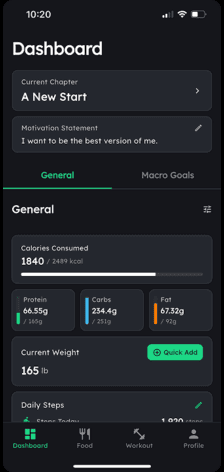
The weights you moved easily before vacation feel impossible today. Name this week a ramp-up chapter and drop the guilt.
No commitment · Cancel anytime
A Week-One Protocol to Overcome Resistance
Structure removes the need for motivation.
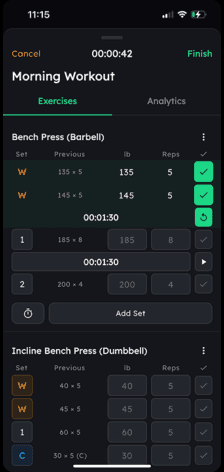
When you have a specific, scaled-down protocol for week one, you do not have to negotiate with yourself. Start by cutting your workload. Reducing training volume significantly is necessary when resuming exercise after a one to three week break to manage tissue damage (Owens et al., European Journal of Sport Science 2018).
If you normally perform four sets per exercise, do two. You still expose the muscle to tension, but you limit the severity of the inevitable soreness.
Next, adjust your load expectations. Do not look at your old spreadsheet and force the same weights. Fitness levels fluctuate, making perceived exertion a more reliable metric than strict percentage-based training during a return phase (Bourdon et al., International Journal of Sports Physiology and Performance 2017). Aim for an effort level that leaves two or three reps in the tank.
Finally, manage your cardiovascular re-entry carefully. Many people try to sweat out their vacation indulgences with grueling interval sessions. This usually backfires. Low-intensity steady exercise is often superior to high-intensity intervals for nervous system recovery during the first few days back (Jeeves, ANZ journal of surgery 2022).
A brisk walk or a light cycle signals the body to start moving blood and clearing metabolic waste without digging a deeper recovery hole. You stimulate the system rather than annihilate it.
Clear the friction of the first day.
Your routine structure is ready before you walk in. Cut the volume, log the effort you actually have, and recover.
No commitment · Cancel anytime
Protein and Recovery Targets During the Ramp-Up
Rebuilding momentum requires fuel and rest.
The friction you feel is partially a recovery deficit from travel itself. Crossing time zones, irregular meal schedules, and poor sleep quality leave the body in a compromised state. Trying to out-train travel fatigue is a losing strategy. Prioritizing quality sleep over immediate intense exercise yields better physiological recovery markers post-vacation (Kellmann et al., International Journal of Sports Physiology and Performance 2018).
If you are exhausted, sleeping an extra hour is a better biological investment than forcing a heavy leg session. Once you do resume training, your tissues need raw materials to rebuild the protective adaptations you lost. Maintaining adequate protein intake optimizes the return to training and supports muscle remodeling after a period of detraining (Roberts et al., Physiological Reviews 2023).
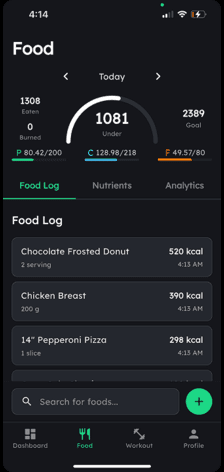
You do not need an extreme caloric surplus. You simply need consistent protein distribution across your meals to signal the muscles to recover from the novel stimulus of restarting. Focus on hydration, solid protein at every meal, and getting your sleep schedule back to baseline. The energy to train hard will naturally follow.
How to Prevent Detraining on Your Next Trip
The best way to handle post-vacation friction is to prevent the baseline from dropping so far in the first place. This does not mean you have to spend two hours in a hotel gym while your family is at the beach.
Maintenance requires a fraction of the effort needed for growth.
A remarkably low volume of resistance exercise is actually needed to prevent muscle detraining while away from your normal routine (Nuzzo et al., Sports Medicine 2024). One short, intense set per muscle group twice a week can preserve almost all of your progress.
Pack a resistance band. Do push-ups in the hotel room. Perform bodyweight squats before dinner.
These micro-doses of tension keep the neurological pathways active. They maintain insulin sensitivity. They preserve the repeated bout effect so you do not experience crippling soreness when you return to heavy barbells. By keeping the baseline stable, you eliminate the massive friction of a cold restart.
Frequently Asked Questions
How long should I wait before exercising intensely?
Most people benefit from a one-week ramp-up phase. Start with half your normal volume and moderate weights. Pushing to failure on day one usually results in severe soreness that delays your second workout. By week two, your body is generally ready to handle pre-vacation intensity.
What kind of exercises are best for easing back in?
Compound movements like squats, presses, and rows give you the best return on investment. They recruit multiple muscle groups and quickly re-establish neurological coordination. Use machines if free weights feel unstable, and keep the rep ranges moderate to focus on form.
Should I adjust my diet when returning to my routine?
Return to your baseline maintenance calories and prioritize protein. Many people attempt a severe calorie deficit immediately after a trip to undo vacation eating. Combining a steep deficit with a return to lifting creates massive fatigue and increases the risk of abandoning the routine entirely.
What if I still feel tired after a week of workouts?
Lingering fatigue often points to a sleep deficit or inadequate food intake rather than training issues. Travel disrupts circadian rhythms. Ensure you are getting seven to eight hours of sleep and eating enough carbohydrates to fuel your sessions. If fatigue persists, scale back the workout volume slightly.
Is it okay to start with shorter, more frequent sessions?
Yes. Breaking your routine into brief twenty-minute sessions can overcome the mental hurdle of a long workout. Frequent, light exposure to movement is excellent for clearing metabolic waste and gently reminding the body how to move under tension.
Conclusion
Your body adapts to what you consistently give it. A period of rest changes your physiological baseline, making the return feel heavier and harder than you remember. This friction is a temporary biological reality, not a permanent loss of fitness.
By lowering your volume, managing your intensity, and prioritizing sleep, you allow your tissues to readjust safely. The goal of the first week is simply to re-establish the habit without creating crippling soreness. Stop comparing your first day back to your peak performance before you left. Put on your shoes, do a fraction of the work, and let the momentum rebuild itself naturally.
All content and media on Mofilo is created and published for informational purposes only. It is not intended to be a substitute for professional medical advice, diagnosis, or treatment. Always seek the advice of your physician or other qualified health provider with any questions you may have regarding a medical condition, including but not limited to eating disorders, nutritional deficiencies, injuries, or any other health concerns. If you think you may have a medical emergency or are experiencing symptoms of any health condition, call your doctor or emergency services immediately.
Read more blogs
How to Handle Social Pressure When You Start Eating Healthy
What You'll Learn in 10 Min
- •Why your new diet makes old friends act defensive
- •Which 2 simple responses stop direct food pushback
- •How occasional compromise beats rigid macro tracking
How to Keep Your Cut on a 10-Day Vacation Without Tracking
What You'll Learn in 8 Min
- •Why eating at maintenance primes future fat loss
- •What really causes that post-trip scale weight jump
- •How protein and walking replace calorie logging
The Body Recomposition Timeline: Month-by-Month Expectations
What You'll Learn in 11 Min
- •Why strength jumps in week 4 before new muscle grows
- •How deep calorie cuts actively block tissue synthesis
- •Which lifters see physical changes in just two months