How Long to Maintain After a Cut Before Bulking or Dieting Again
By Mofilo Team
Published 11 min read
Key Takeaways
- A proper maintenance phase restores hormone levels and metabolic rate after a calorie deficit. Holding calories at baseline gives your physiology time to recover from the stress of fat loss.
- The transition out of a cut generally requires four to eight weeks of steady eating. This duration gives your appetite cues time to normalize before you enter a surplus or another deficit.
- Fat regain happens fastest when people jump straight from a hard cut into a bulk. Pausing at maintenance establishes a new baseline weight and protects the leanness you just built.
- Protein requirements actually drop slightly when you move from a deficit to maintenance calories. You can trade some of those protein calories for carbohydrates to fuel harder training and better recovery.
You hit your goal weight on a Friday morning and wake up Saturday wanting to immediately start bulking. Or you stall out on a twelve-week cut and think you just need to drop your calories even lower to force the last few stubborn pounds off your frame. The transition out of a fat loss phase is where most lifters completely undo months of disciplined work. They either rebound by eating everything in sight or grind themselves into a wall trying to extend a diet that stopped working weeks ago.
Most extreme weight fluctuations after a diet come from poor transition management. Your body has spent months adapting to a restricted energy environment. It slowed down your daily movement, ramped up your hunger signals, and reduced the amount of heat it produces at rest. It is primed to store energy the moment you provide it.
A maintenance phase is not a break from progress.
It is an active and necessary protocol to secure the results you just earned. Holding your body weight stable requires specific adjustments to your daily nutrition and training structure. We will look at exactly how long to stay at maintenance, what happens to your physiology when you increase your food, and how to set up your next training block for a better outcome.
Why You Need a Maintenance Phase First
Fat loss is an active biological stressor. When you restrict calories for an extended period, your biology prioritizes baseline survival over gym performance or muscle retention. The body recognizes that fuel is scarce and begins shutting down non-essential processes to keep you functioning on less energy.
Your metabolic rate drops through a process called adaptive thermogenesis, meaning you burn fewer calories just existing (García-Gorrita et al., Nutrients 2025). Your resting heart rate often slows down slightly. You might notice that your hands and feet are constantly cold. Your body is becoming highly efficient at conserving energy because it does not know when the famine will end.
This adaptation is completely normal and expected during any successful diet.
The real problem arises when you stop dieting. If you immediately jump into a calorie surplus to build muscle, you create a massive energy gap. Your metabolism is still operating at the suppressed diet level, but your food intake has suddenly spiked by a thousand calories or more. The body responds to this sudden abundance by storing as much of it as possible.
This creates a high risk for post-diet hyperphagia, a state of amplified hunger that drives rapid fat regain (Dulloo, Reviews in Endocrine & Metabolic Disorders 2025). The extreme appetite surge usually outpaces any muscle growth you intended to stimulate. You end up eating far more than you planned because your brain is still sending intense starvation signals even though you are no longer in a deficit.
A maintenance phase bridges this dangerous gap. It gives your system time to realize the restriction is over without overwhelming it with excess calories. You slowly bring your metabolism back up to normal operating capacity while keeping your body fat levels stable.
The Settling Point Window
Body weight is not a static number that you can program like a thermostat. It is a dynamic range that your physiology actively defends based on your recent history. When you lose ten or fifteen pounds, your body does not immediately accept the new weight as your baseline normal.
It views the lighter weight as a temporary anomaly.
If you give it the opportunity, your biology will aggressively push you back toward your previous heavier state. The hunger hormones stay elevated and your energy expenditure stays low until the lost fat is replaced. This is the physiological driver behind the classic yo-yo dieting cycle that traps so many people.
Spending dedicated time at maintenance helps establish a new body weight settling point (Müller et al., Current Obesity Reports 2016). You are teaching your physiology to accept this new, leaner condition as the standard operating environment. You are proving that it can exist at this lighter weight without being in a state of constant starvation.
This biological negotiation takes patience.
This is why immediate bulking after a cut rarely works out the way people hope. The body is primed to store fat, not build lean tissue. If you start forcing a calorie surplus before a new settling point is established, the vast majority of the weight you gain will be adipose tissue rather than muscle.
A maintenance block secures the asset. You lock in the fat loss before asking your body to do something else entirely. By holding your ground for a few weeks, you ensure that your next phase starts from a stable foundation rather than a precarious state of physiological panic.

Keep the leanness you just suffered for.
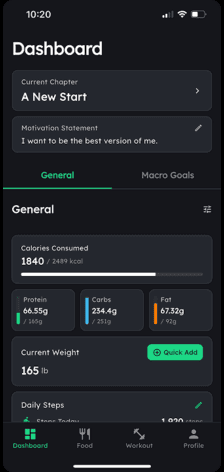
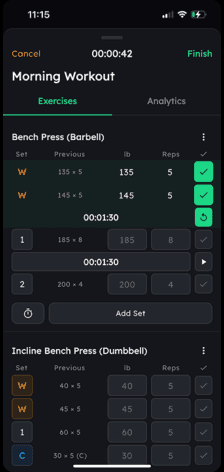
The cut is over, but adding calories back feels risky. Start a maintenance chapter to hold your new baseline.
No commitment · Cancel anytime
How Long Your Maintenance Phase Should Last
The exact duration of your transition depends heavily on how long and how hard you dieted. A gentle four-week cut to drop a few pounds for a vacation requires very little recovery. A grueling sixteen-week prep that took you down to single-digit body fat requires a much more deliberate exit strategy.
A reliable heuristic is to spend at least half the length of your diet in a maintenance phase.
If you cut for twelve weeks, you should hold maintenance for at least six weeks. This provides a structured timeline for recovery rather than just guessing based on how you feel. Eucaloric feeding over several weeks allows endocrine and appetite hormones to fully recover from the deficit (Poon et al., Nutrition reviews 2024). Your testosterone, thyroid function, and leptin levels need this uninterrupted time at baseline to return to normal.
You will know the phase is working when your daily food focus significantly decreases.
During a deep cut, you constantly think about your next meal. You memorize the macronutrient profiles of different foods. At maintenance, hunger cues eventually become subtle suggestions rather than blaring alarms. You can go a few hours without eating and not feel a crash in energy or mood.
Your sleep quality usually improves dramatically during this window. Training energy returns to normal levels, and you stop feeling fragile under heavy barbells. Do not rush this process just because you are eager to see the scale move again. Waiting an extra two weeks to start your bulk or your next cut will not hurt your long-term progress, but cutting the recovery phase short absolutely will.
What Happens to Your Metabolism at Baseline
Bringing your calories back up to baseline triggers a cascade of positive physical changes. You are not just eating more food for the sake of comfort. You are fundamentally changing how your body expends energy on a daily basis.
Intermittent diet breaks and maintenance periods actively help restore resting metabolic rate and support better overall body composition (Escalante et al., Research 2020). The body realizes the fuel shortage is over and stops rationing energy. Your resting temperature comes back up to normal.
The most noticeable and immediate shift happens in your subconscious daily activity.
When moving from a deficit back to maintenance, non-exercise activity thermogenesis recovers significantly as energy availability increases (Nunes et al., European Journal of Sport Science 2022). This is the energy you burn doing everything outside of the gym. You start fidgeting more at your desk.
You walk with a slightly faster pace. You stand up more often and talk with your hands.
These small, subconscious movements burn a massive amount of calories over a twenty-four-hour period.
This increase in activity is why your actual maintenance calories are often higher than you expect them to be. The extra food fuels the extra movement automatically. Many people actually lose a final pound or two during the first week of maintenance because their daily movement spikes faster than their food intake catches up. The body is simply returning to its fully active state.
How to Adjust Your Macros After a Cut
Your macronutrient needs shift significantly when you are no longer in an energy deficit. The diet that got you lean is not the optimal diet for holding your weight stable and rebuilding your training capacity.
During a fat loss phase, high protein intake is essential to prevent muscle loss. Your body uses dietary protein as a shield to preserve lean tissue when total calories are scarce. Once you return to maintenance calories, the threat of muscle loss largely disappears because the body has enough total energy to sustain itself.
You do not need as much protein in a eucaloric maintenance phase compared to an active energy deficit (Ji et al., European Journal of Applied Physiology 2025). The extreme protein targets that kept you safe during the cut are now just occupying calories that could be better used elsewhere.
Most people can safely drop their protein to around 0.8 grams per pound of body weight.
This reduction frees up hundreds of calories in your daily budget. You can allocate those calories directly to carbohydrates and fats. More carbohydrates mean fuller glycogen stores, better pumps in the gym, and improved recovery between heavy training sessions. The extra fat intake helps support the hormonal recovery we discussed earlier.
Your workouts will feel completely different with this new macronutrient split. Instead of just trying to survive the session and maintain your strength, you can actually push for progression again. The combination of adequate total calories and higher carbohydrate availability turns your training from a defensive chore back into an offensive tool.
Shift your macros without doing the math.
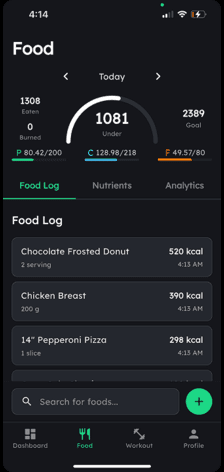
Your targets change when the diet ends. Open a maintenance chapter to lower your protein and raise your carbs.
No commitment · Cancel anytime
Frequently Asked Questions
Do I still need to count calories during a maintenance phase?
Tracking provides necessary stability during the transition. Your natural hunger signals are usually skewed right after a diet, making intuitive eating very unreliable. Most people benefit from tracking their intake for the first few weeks to ensure they are actually hitting maintenance, rather than accidentally eating in a surplus or continuing to undereat out of habit.
What if the scale goes up in the first week of maintenance?
An initial weight increase of one to three pounds is entirely normal and expected. This is not fat gain. It is water weight and muscle glycogen from the increased carbohydrate intake, combined with the physical weight of more food digesting in your gut. If your weight jumps on day three and then stays flat at that new number, you are successfully maintaining.
Can I build muscle while eating at maintenance?
Yes, particularly if you are relatively new to lifting, returning from a layoff, or have a higher body fat percentage. Advanced trainees will find it much harder to add significant tissue without a dedicated surplus. For most people, a maintenance phase provides enough energy to drive slow, steady muscle growth while keeping body fat levels completely stable.
Should my training volume change after a cut?
You can usually handle more training volume at maintenance than you could in a deep deficit. The extra calories and carbohydrates improve your recovery capacity between sessions. This is a good time to gradually add working sets back into your program if you had to reduce them to manage fatigue during the later stages of your cut.
How do I find my actual maintenance calories?
Start by adding 300 to 500 calories to your final cutting intake. Monitor your morning weight over two weeks. The scale will pop up initially due to water and glycogen.
If the trend line stays flat after that initial spike, you found your baseline. If your weight keeps dropping consistently, add another 150 calories and monitor again.
Conclusion
The transition between phases often dictates how much of your progress you actually keep. Rushing from a strict diet straight into a surplus usually results in rapid fat regain. Grinding away in a deficit forever just leaves you tired, weak, and frustrated with your training.
Maintenance is the necessary bridge between the two extremes.
Your body adapts to what you consistently give it over time. Giving it a dedicated period of adequate fuel and stable weight normalizes your hunger signals and sets a healthy new baseline. It proves to your physiology that the starvation period is over and that the new, leaner weight is entirely sustainable.
Take the time to hold your ground. The next phase of your training will be much more effective when you start it from a recovered, well-fed position rather than a state of extreme diet fatigue.
All content and media on Mofilo is created and published for informational purposes only. It is not intended to be a substitute for professional medical advice, diagnosis, or treatment. Always seek the advice of your physician or other qualified health provider with any questions you may have regarding a medical condition, including but not limited to eating disorders, nutritional deficiencies, injuries, or any other health concerns. If you think you may have a medical emergency or are experiencing symptoms of any health condition, call your doctor or emergency services immediately.
Read more blogs
How to Handle Social Pressure When You Start Eating Healthy
What You'll Learn in 10 Min
- •Why your new diet makes old friends act defensive
- •Which 2 simple responses stop direct food pushback
- •How occasional compromise beats rigid macro tracking
A Structured Ramp-Up Protocol When You Have No Motivation to Workout After Vacation
What You'll Learn in 9 Min
- •Why lost drive is a metabolic shift, not willpower
- •How to drop total sets to prevent crippling soreness
- •Which low-intensity moves restore your nervous system
How to Maintain Muscle During a Two-Week Vacation From the Gym
What You'll Learn in 12 Min
- •Why early vacation size loss is just water and carbs
- •How restricting calories on a break speeds muscle loss
- •Which protein timing mistake costs you lean mass daily